Skip to content
Stretchprint

Knit deformation · flat lay vs. worn

What this pattern
looks likeon a foot

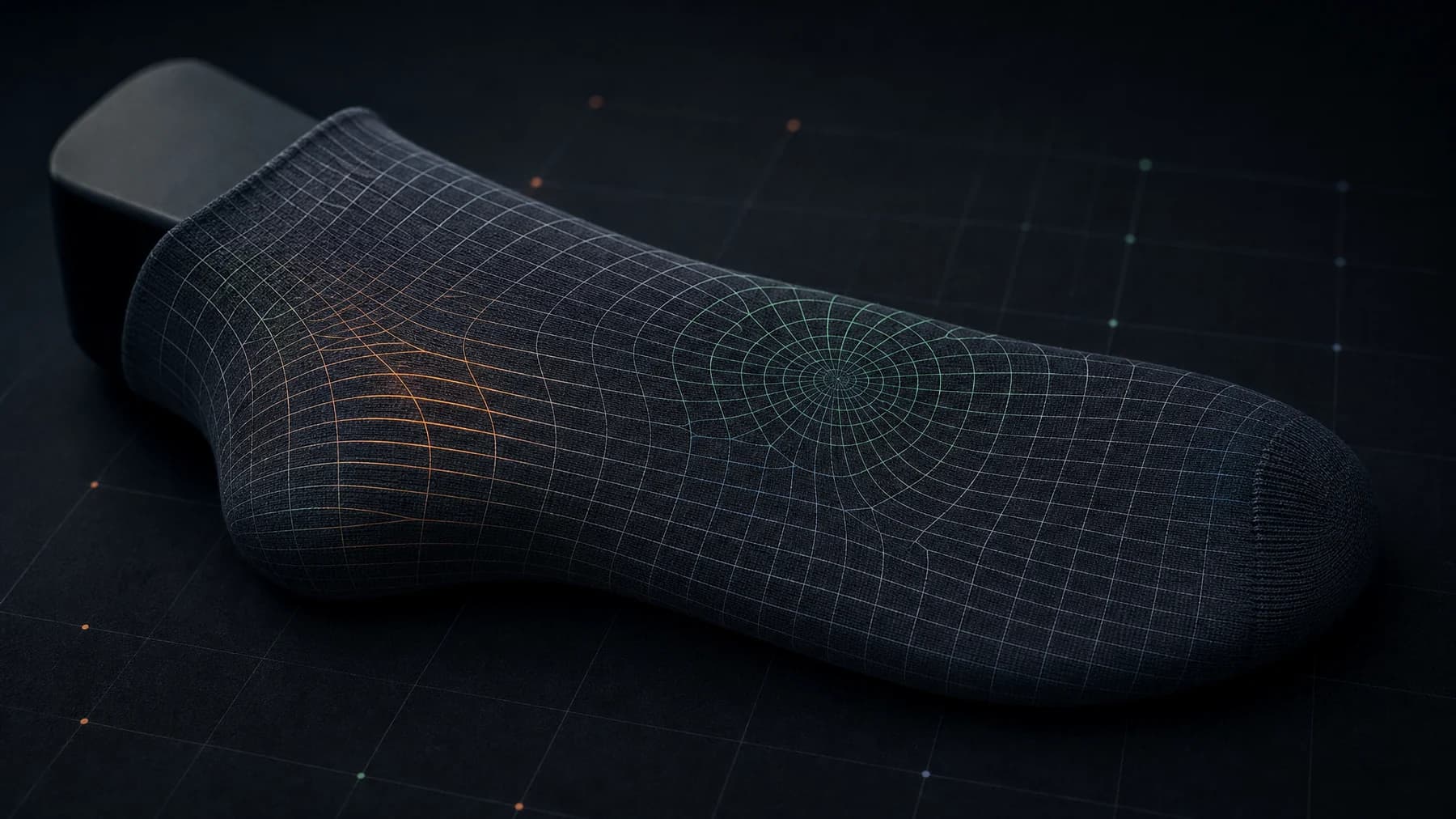
Flat looking good is not the same as worn looking good, because every part of a sock stretches by a different amount. The heel pulls to 1.50–1.70× across. The arch barely moves at 1.05–1.15×. The toe is not a stretch at all — it wraps a hemisphere.

A product page only ever shows you the flat shot. Drag the divider and see what it left out.

5
zones mapped
1.62×
widest, at the heel
0
feet rendered
Flat layOn a form

Comparison divider. Drag it, or use the arrow keys, to wipe between the flat lay on the left and the same sock modelled on a form on the right.

Cuff1.30–1.50×Opens out sideways and shortens lengthwise
Heel1.50–1.70×Widest stretch on the sock — circles flatten into ellipses
Instep1.25–1.40×Moderate stretch, but skewed rather than straight
Arch1.05–1.15×Least stretch anywhere on the sock — nearly as drawn
Toe1.15–1.35×Wraps a hemisphere — the pattern converges radially
Flat pattern

Identical circles on a square lattice. Perfectly regular on the left — every irregularity on the right came from the stretch field.

Low end of every intervalHigh end

Each zone factor is published as a range, not a number. This slider moves through that range because size and foot shape move through it too. Heel is currently 1.00× the arch.

A sock on a form, not on a person. We model the stretch, not the wearer. The right panel is a model built from published knit stretch factors, not a photograph, and it is labelled as such in the image itself. What it cannot know: Your actual size and the shape of your own foot — the single largest variable, and one we have no way of reading from a flat photograph.

The problem

A sock is the most extreme garment there is

Nothing else you wear routinely goes to one and a half times its own width and then comes back. That is what makes it comfortable, and it is also what makes the flat photograph on a product page a poor guide to what you are buying.

The distortion is not a printing fault. It is what knitted elasticity does, every time, and it is entirely predictable — just not by eye.

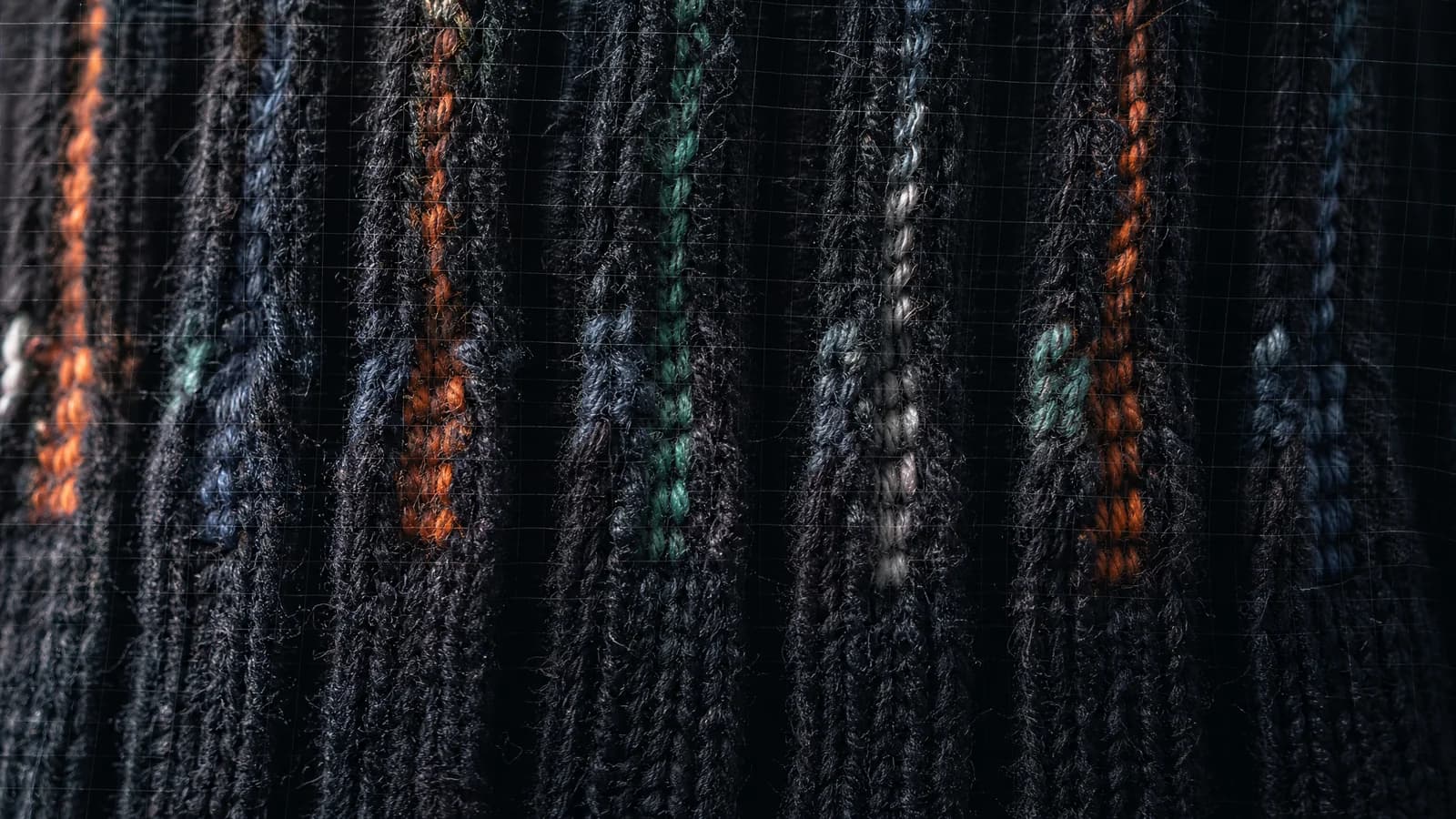
Extreme macro of a relaxed ribbed knit cuff, deep vertical ribs at rest.

At rest

Rib closed. This is the state the product photo is taken in.

The same ribbed knit pulled wide open horizontally, the ribs flattened out.

Opened out

The same rib at cuff tension. Every mark on it is now wider and further apart.

  • Dots that were round become ellipses at the heel and crowd together at the toe.
  • A straight band across the ankle leaves the zone bowed, because the stretch runs at an angle to the knit there.
  • Fine, regular, high-frequency detail loses its regularity first — that is what regularity means.
  • Large, irregular, low-contrast areas come through almost unchanged.

Stretch zones

Five zones. Five different factors.
Never one number.

Applying a single scale to the whole image is exactly the illusion a product page already gives you — under a uniform stretch every pattern still looks fine. These are separate transforms, and the toe is not a stretch at all.

1.5×1.7×1.4×1.1×1.4×

Shading, hatch and printed factor all carry the same information. Select a zone to open it.

Detail of the heel of a patterned sock held on a sock form, showing how the knit sits in that zone.Sock form · no wearer

Heel

Across
1.50–1.70×
Along
1.05–1.20×
Surface
Planar

Widest stretch on the sock — circles flatten into ellipses.

The knit has to turn a corner and wrap the largest curvature on the sock. A circle here is no longer a circle; a square repeat becomes a wide rectangle and the gaps between marks grow faster than the marks themselves.
Cuff

1.30–1.50×

Opens out sideways and shortens lengthwise

Heel

1.50–1.70×

Widest stretch on the sock — circles flatten into ellipses

Instep

1.25–1.40×

Moderate stretch, but skewed rather than straight

Arch

1.05–1.15×

Least stretch anywhere on the sock — nearly as drawn

Toe

1.15–1.35×

Wraps a hemisphere — the pattern converges radially

How it works

Three steps, no account needed for the first one

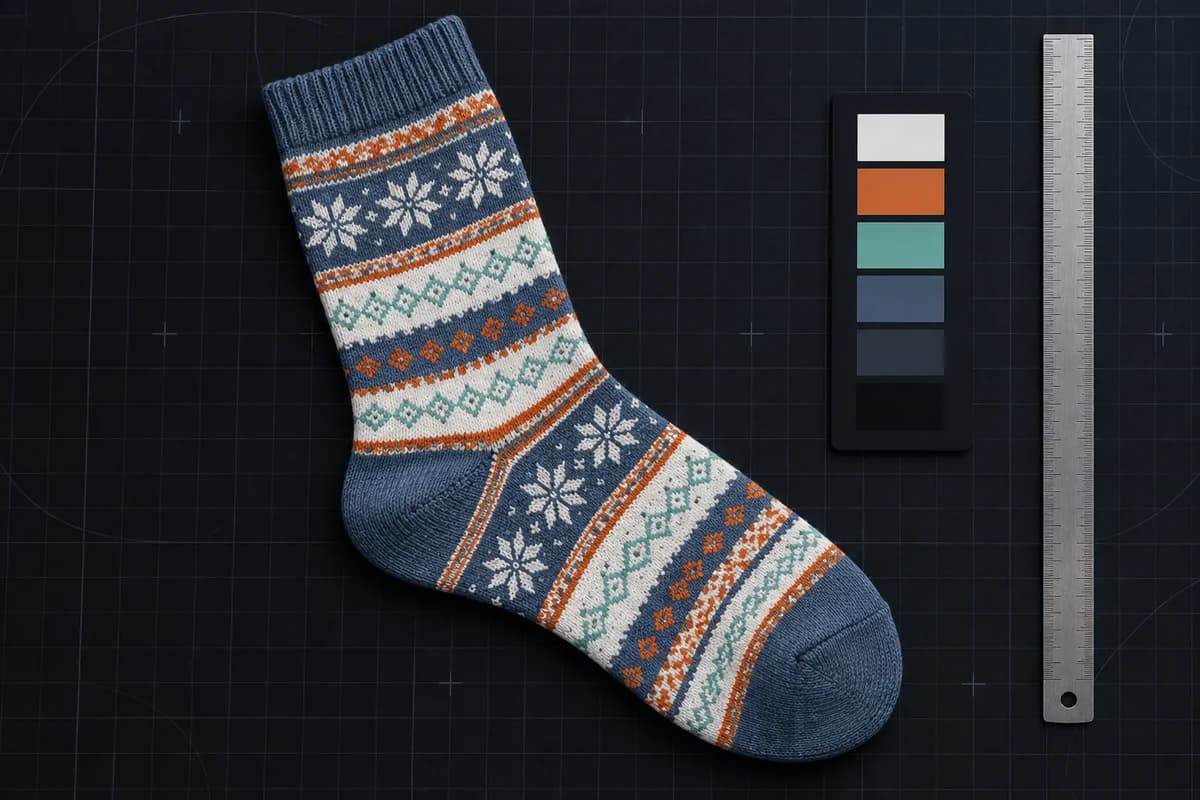
A patterned sock lying flat on a dark surface next to a metal ruler and a colour card.

01

Upload the flat shot

The product photo, or your own artwork file. Anything showing someone wearing socks is rejected at the upload step.

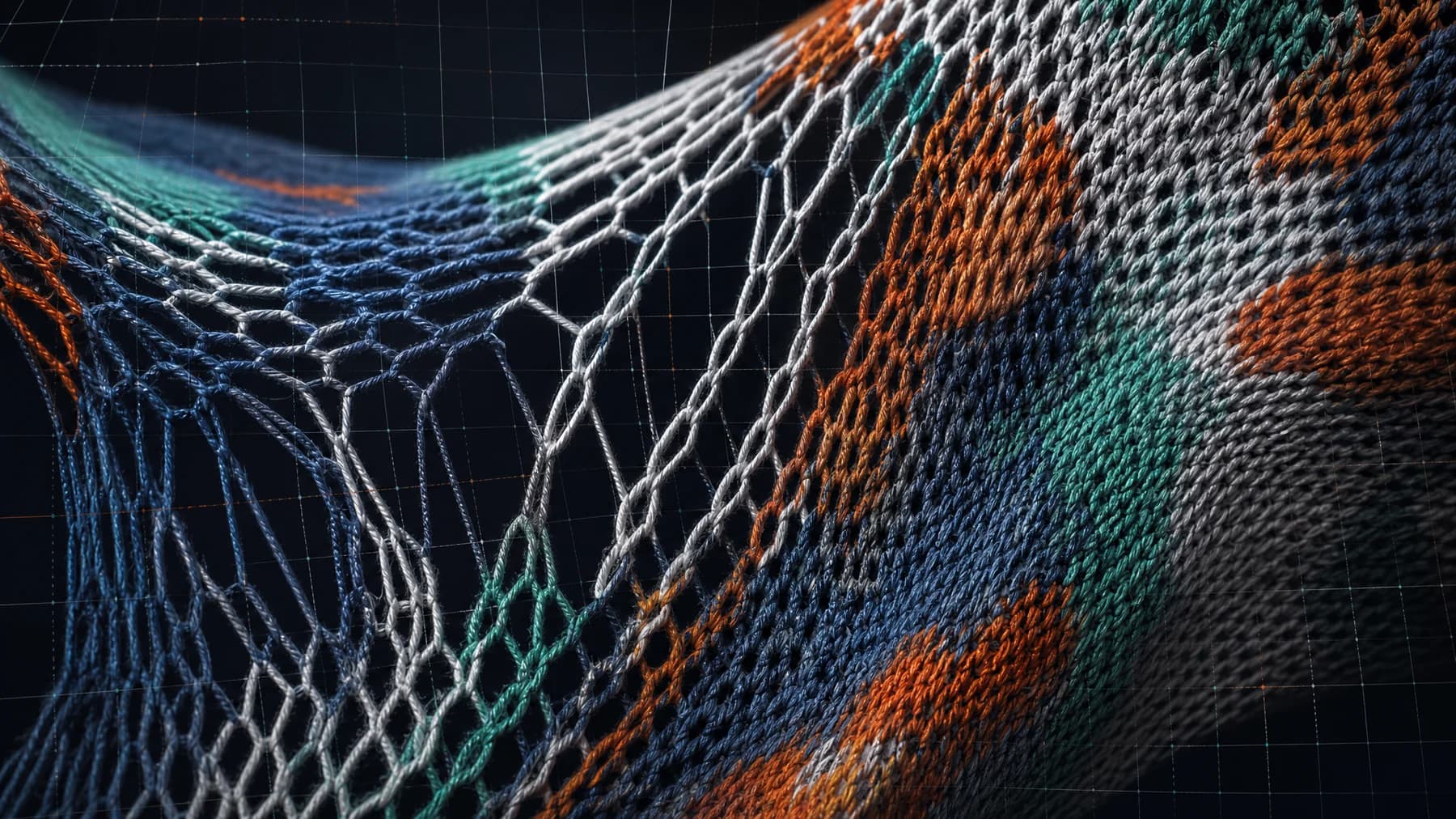
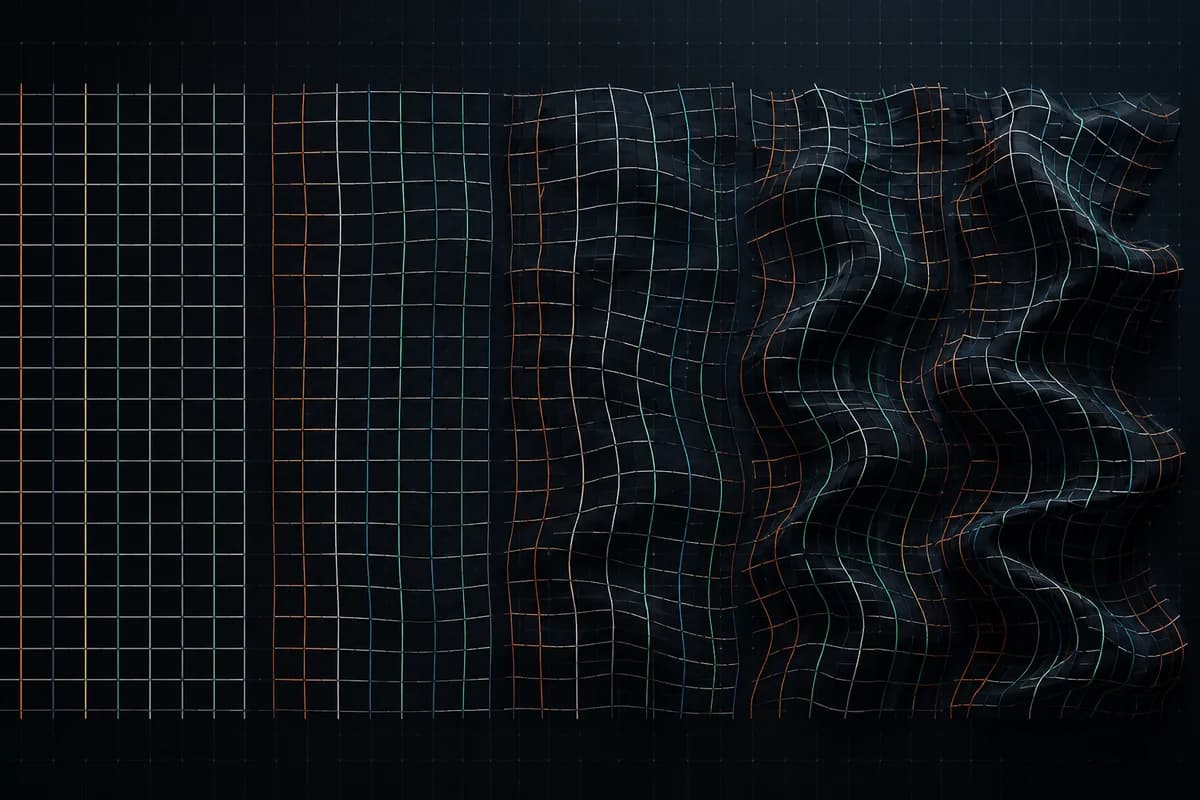
A regular grid morphing into a non-uniform warped mesh across five bands.

02

Watch the mesh deform

Five zones, five different factors, computed in your browser. The toe is treated as a hemisphere, not as a wider stretch.

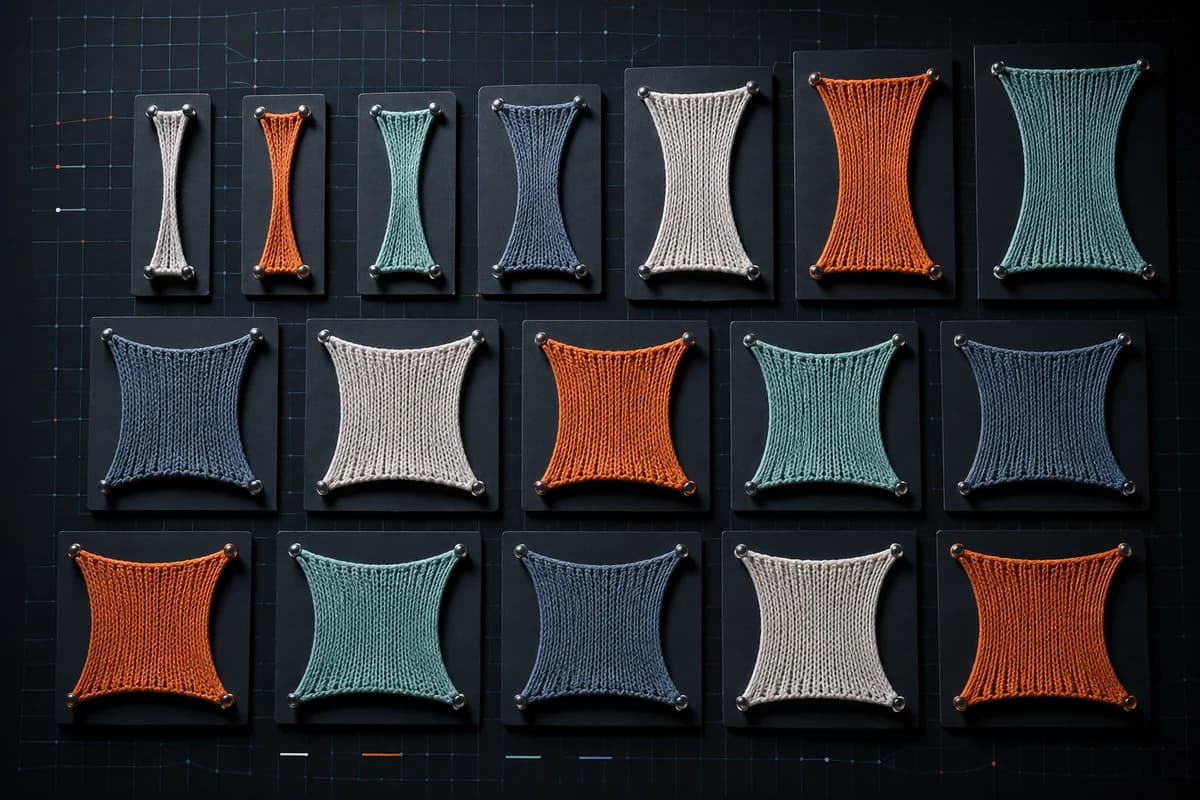
Small knitted swatch cards pinned on a dark board in an irregular grid.

03

Read the zone-fit card

Which parts of the pattern survive the stretch, which come apart, and which zone stretches least — stated as geometry, never as taste.

Reference studies

Ten patterns, one form, no wearer

A sock on a form, not on a person. We model the stretch, not the wearer. These are our own reference patterns, not anyone’s uploaded artwork — nothing you upload is ever shown here.

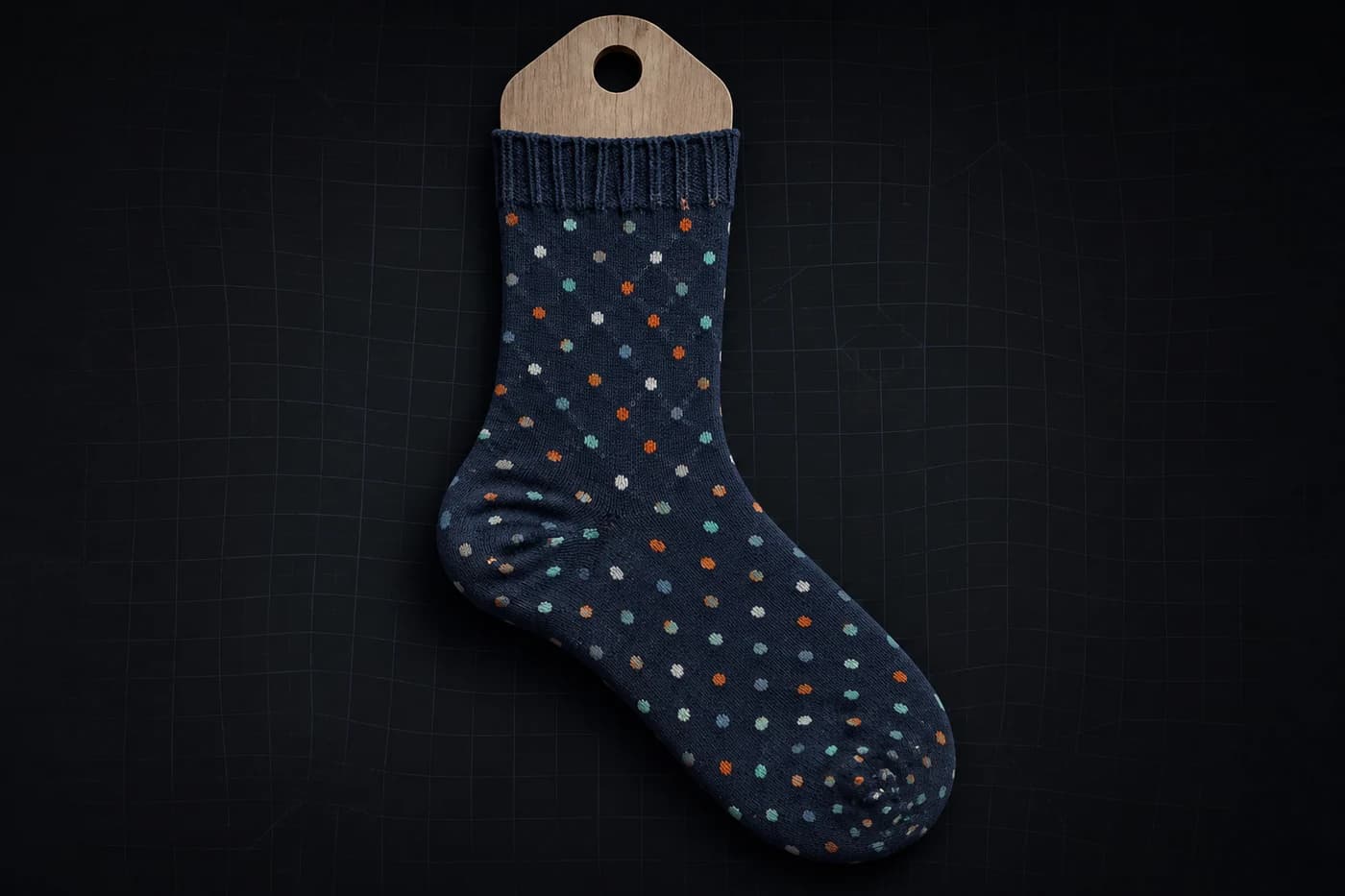
Even dots on a sock form. Circles at the heel are ellipses. Nothing about the flat shot said so. Modelled stretch, not a photograph of a worn sock.Modelled stretch — not a photo
Even dotsCircles at the heel are ellipses. Nothing about the flat shot said so.
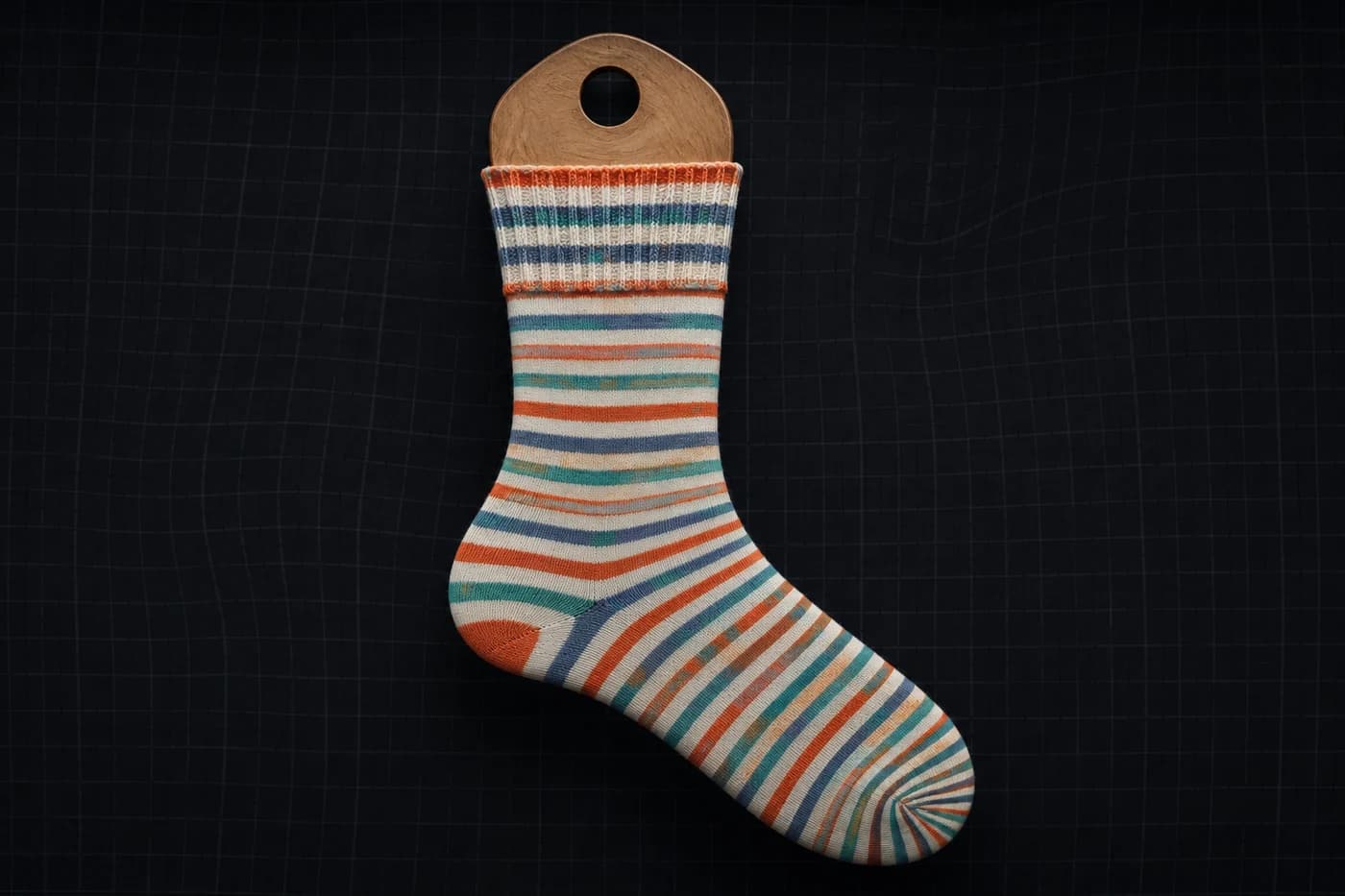
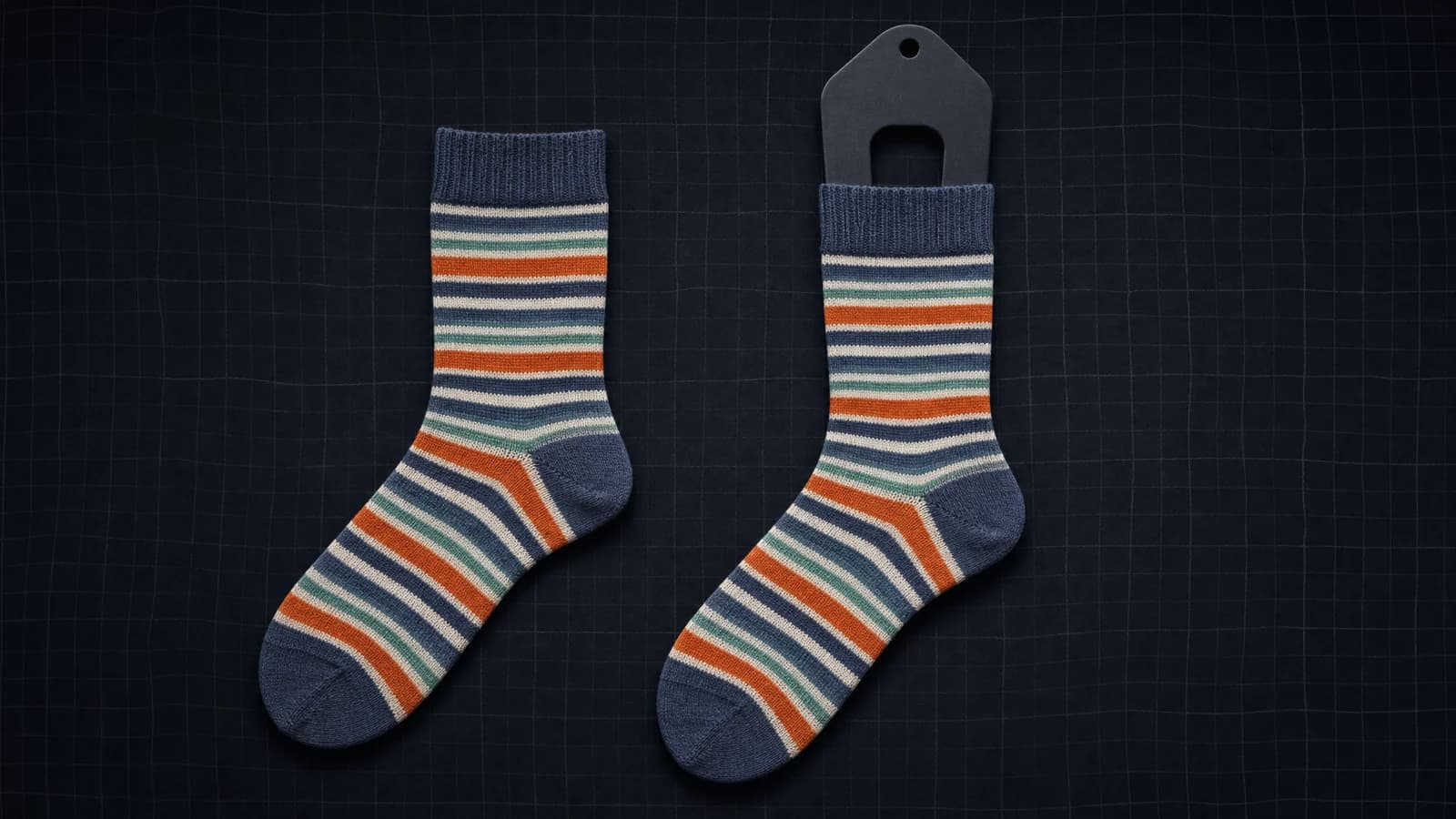
Equal bands on a sock form. Even flat. At the cuff the bands open; at the toe they close. Modelled stretch, not a photograph of a worn sock.Modelled stretch — not a photo
Equal bandsEven flat. At the cuff the bands open; at the toe they close.
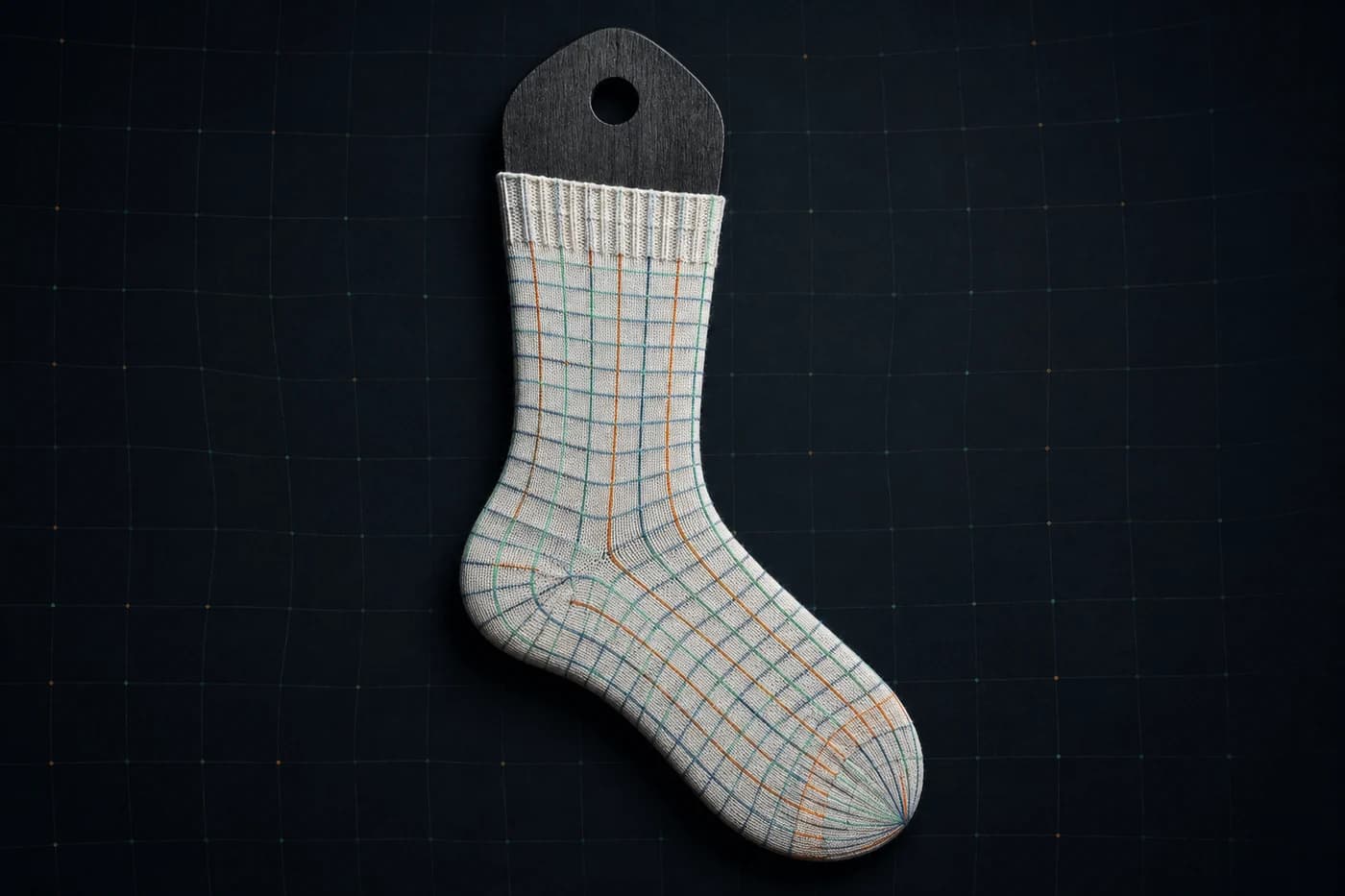
Fine grid on a sock form. A square graph stops being square in four places at once. Modelled stretch, not a photograph of a worn sock.Modelled stretch — not a photo
Fine gridA square graph stops being square in four places at once.
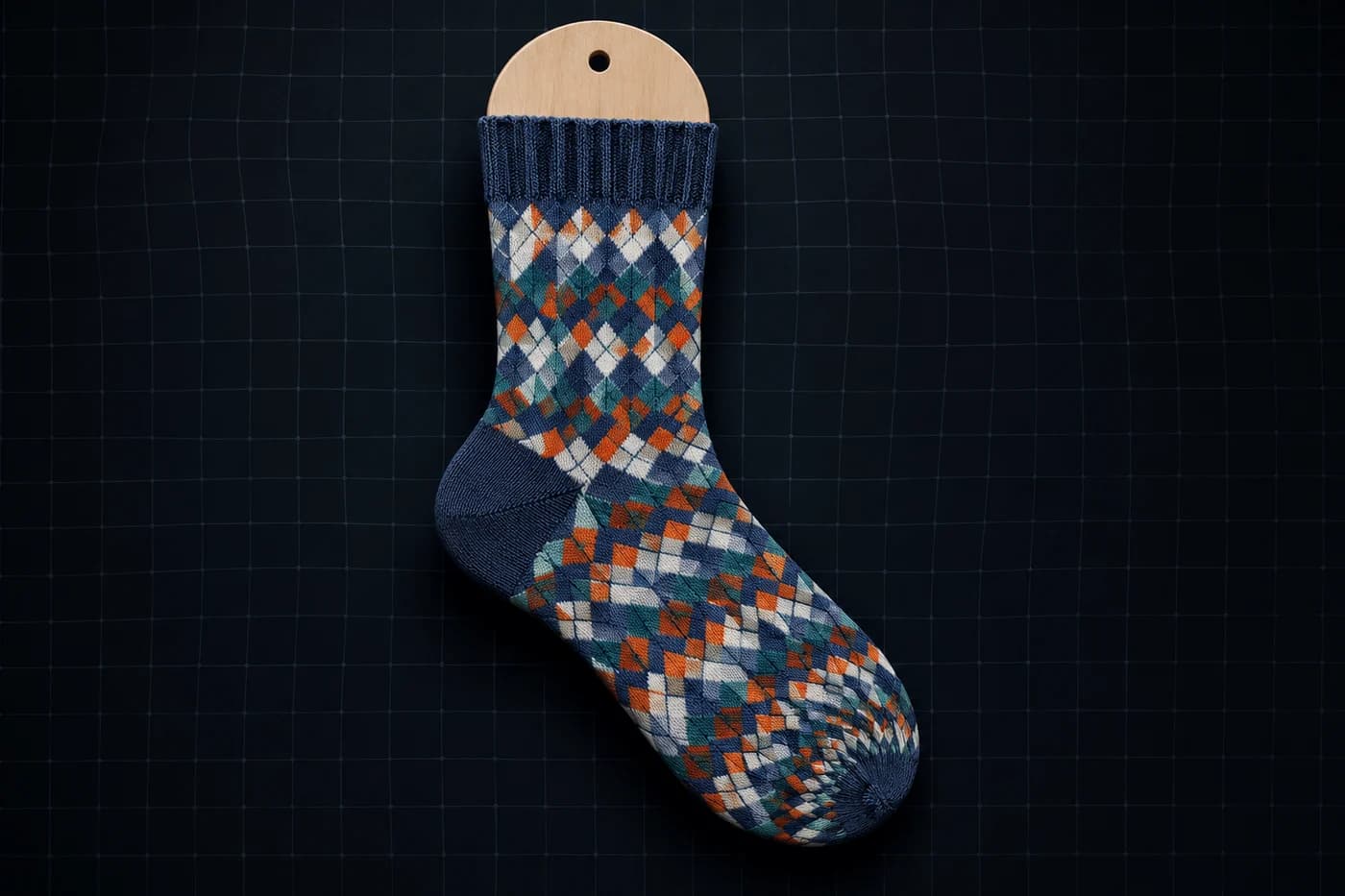
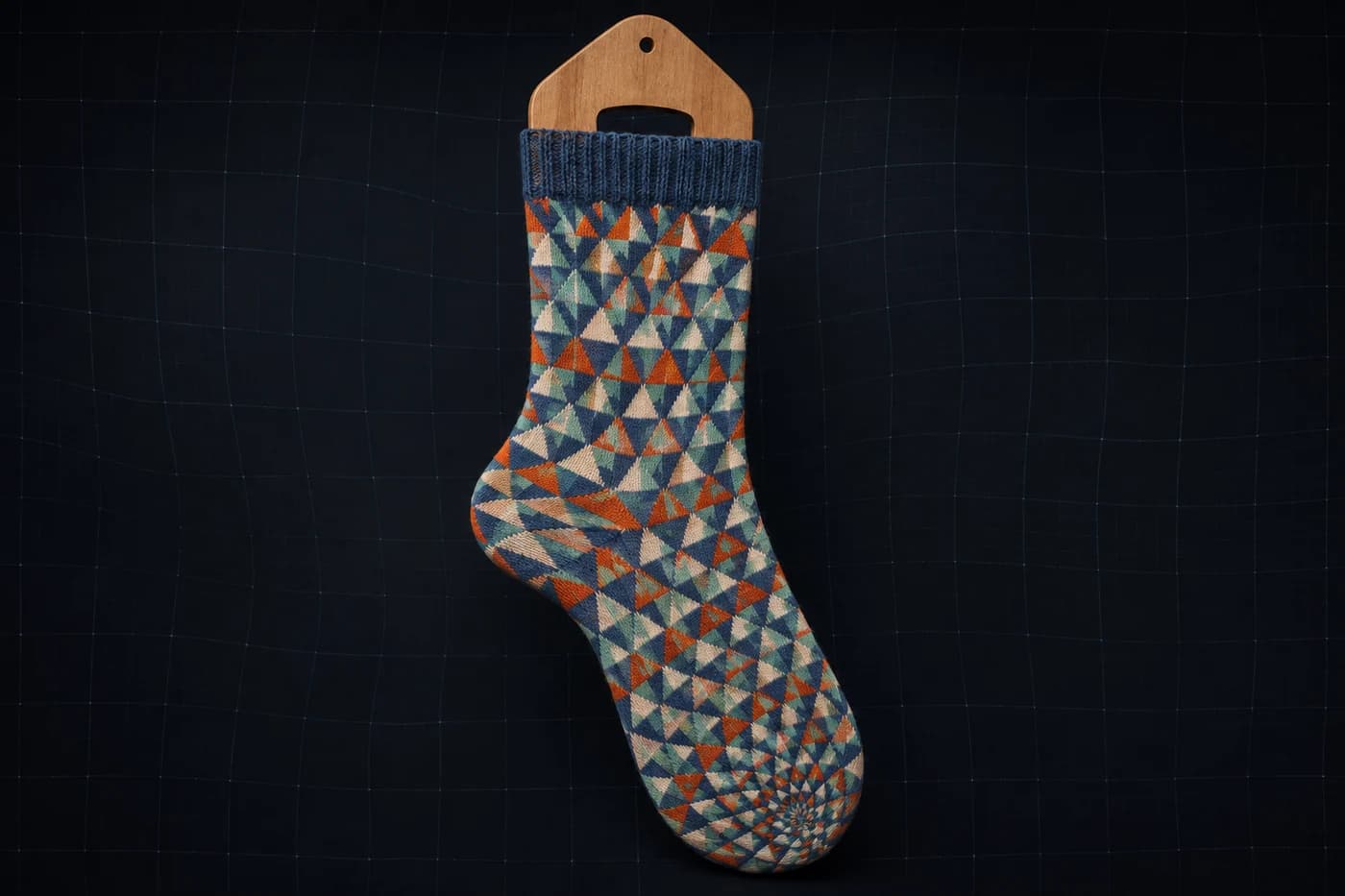
Diamonds on a sock form. A regular lattice shears where the knit turns the ankle. Modelled stretch, not a photograph of a worn sock.Modelled stretch — not a photo
DiamondsA regular lattice shears where the knit turns the ankle.
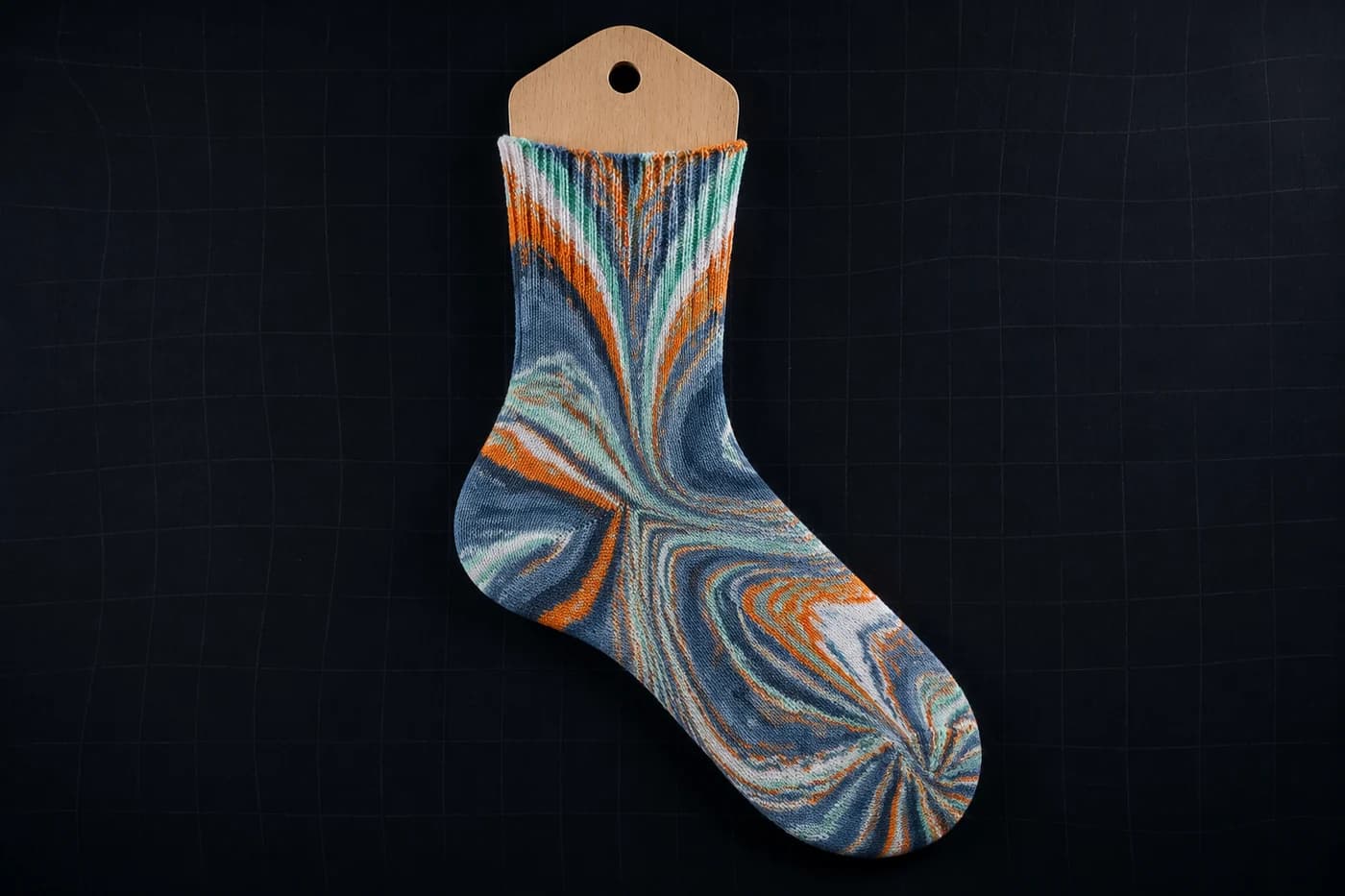
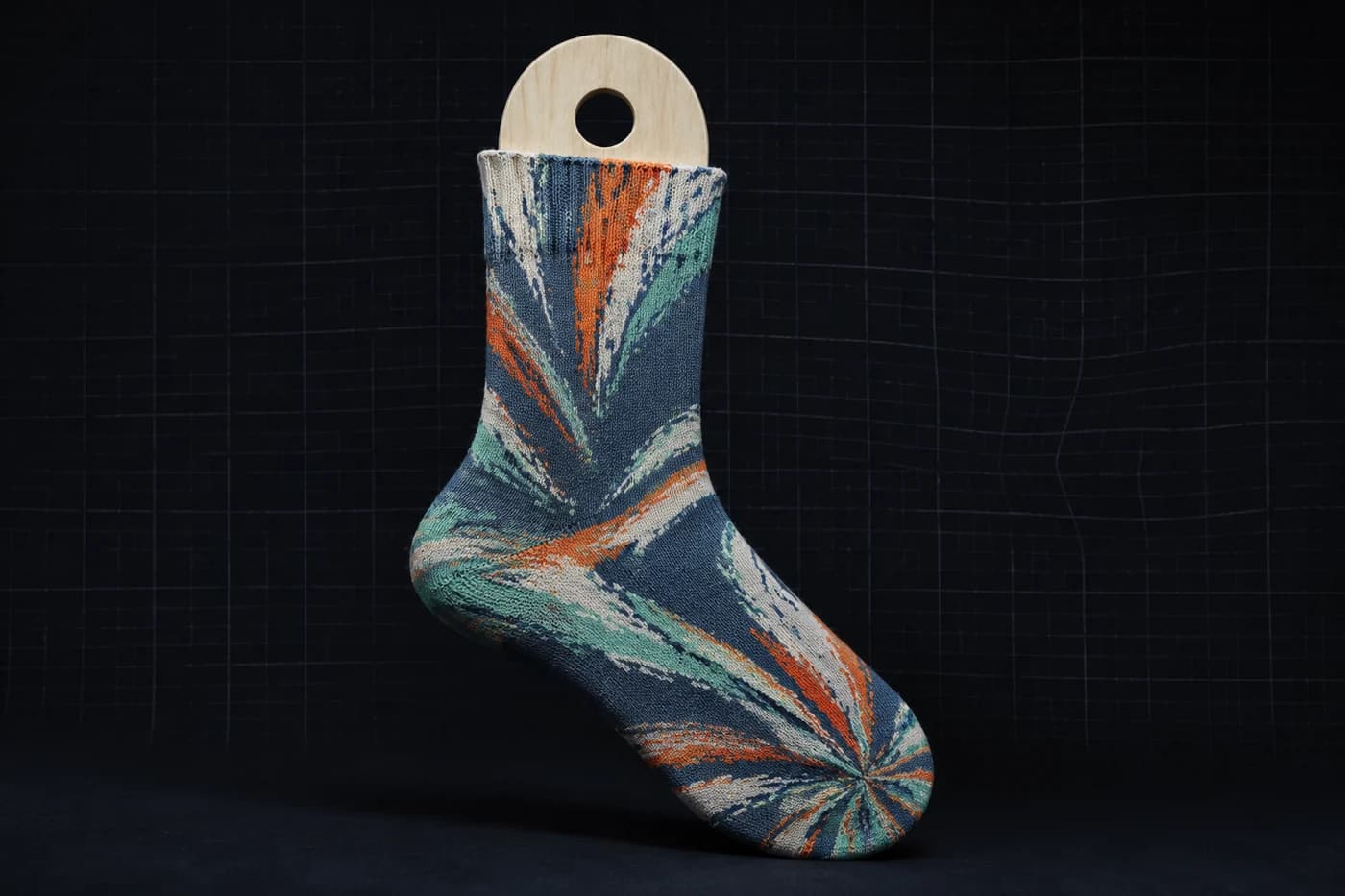
Irregular marbling on a sock form. Nothing regular to break. This is the geometry that survives. Modelled stretch, not a photograph of a worn sock.Modelled stretch — not a photo
Irregular marblingNothing regular to break. This is the geometry that survives.
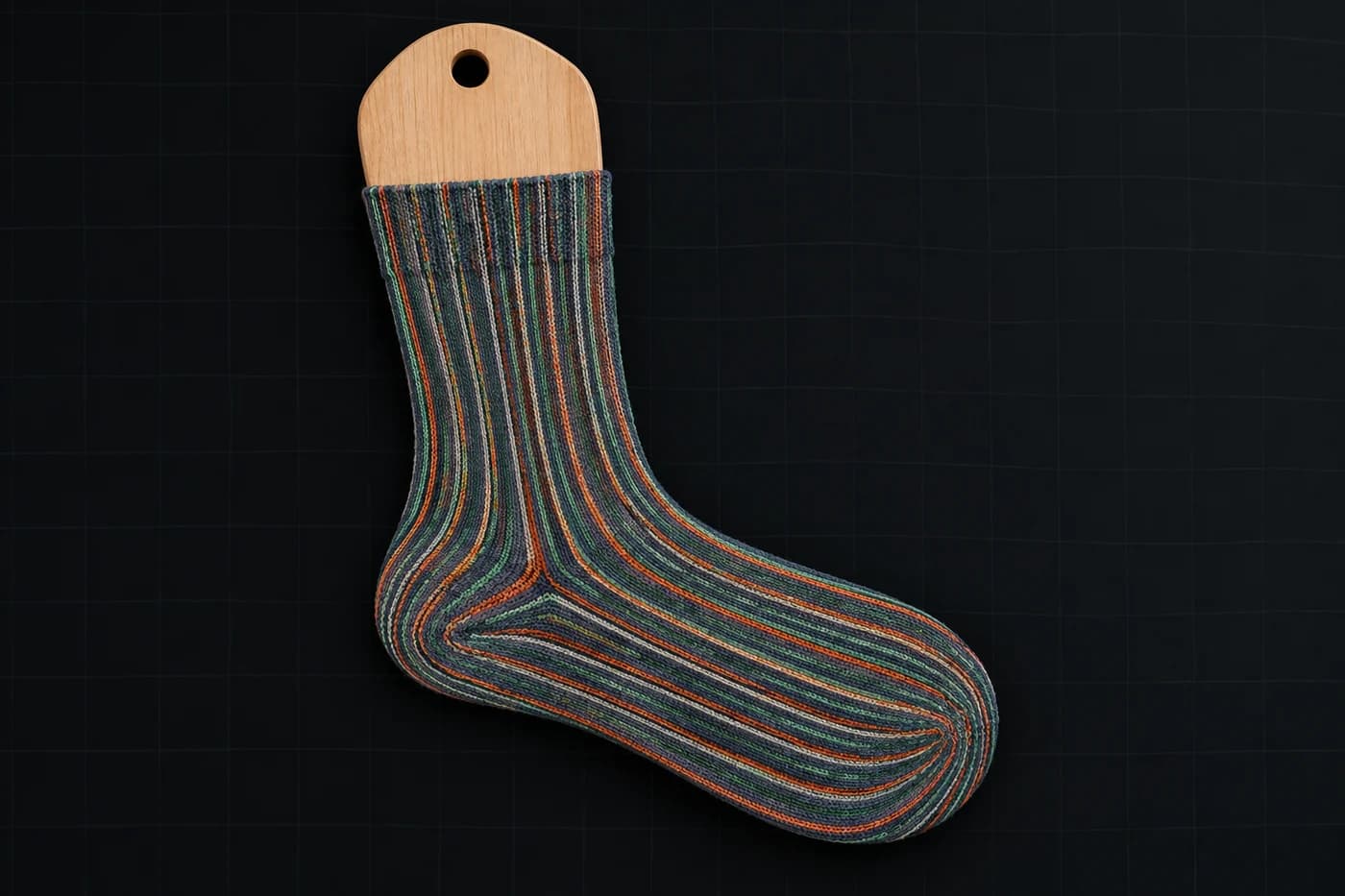
Fine pinstripe on a sock form. Lengthwise lines spread widest exactly where they are most visible. Modelled stretch, not a photograph of a worn sock.Modelled stretch — not a photo
Fine pinstripeLengthwise lines spread widest exactly where they are most visible.
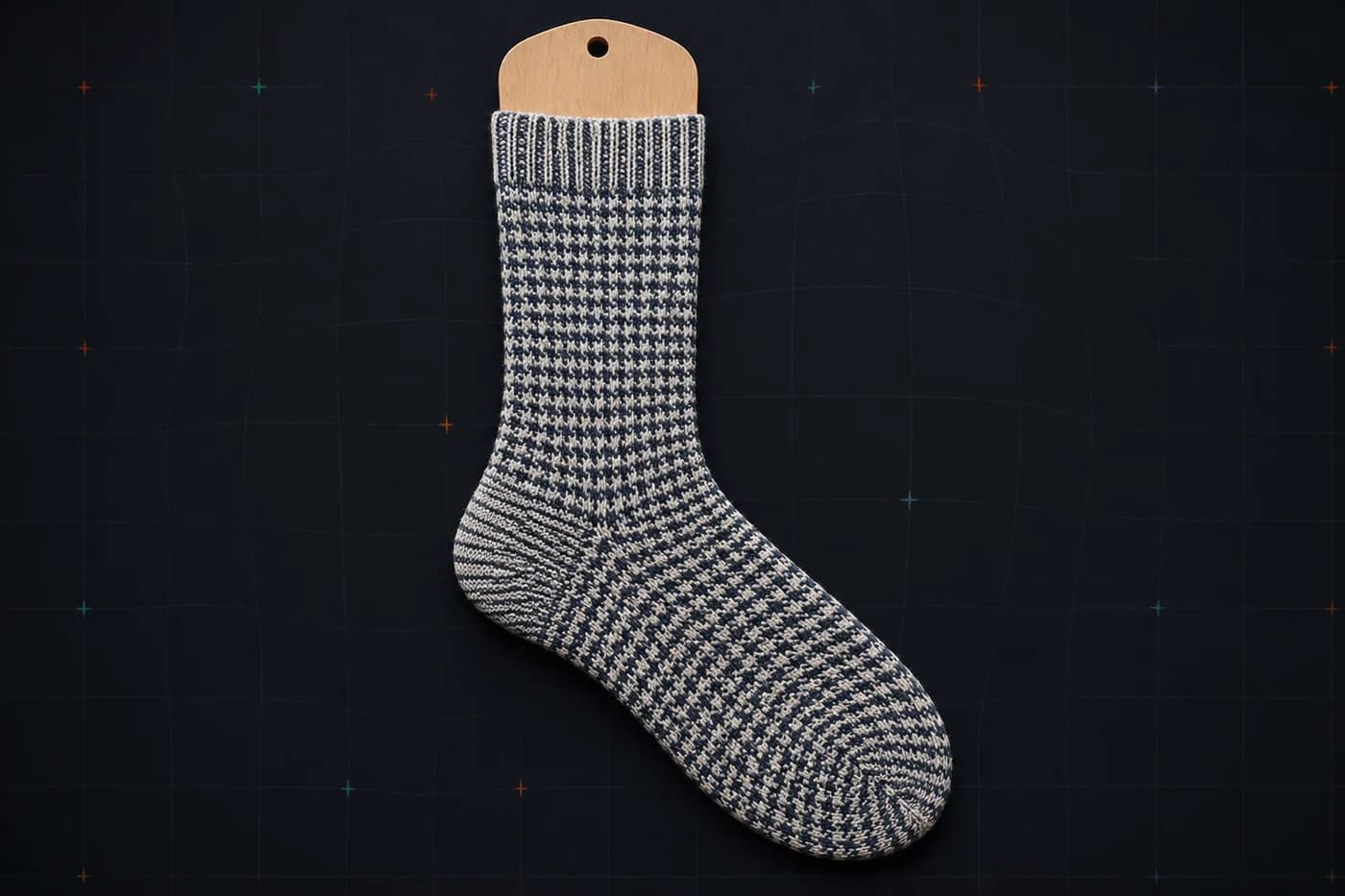
Small houndstooth on a sock form. A dense repeat crowds itself at the toe hemisphere. Modelled stretch, not a photograph of a worn sock.Modelled stretch — not a photo
Small houndstoothA dense repeat crowds itself at the toe hemisphere.
Oversized motif on a sock form. One large shape has one edge to distort instead of hundreds. Modelled stretch, not a photograph of a worn sock.Modelled stretch — not a photo
Oversized motifOne large shape has one edge to distort instead of hundreds.
Tessellation on a sock form. Tiling that closes flat does not close on a hemisphere. Modelled stretch, not a photograph of a worn sock.Modelled stretch — not a photo
TessellationTiling that closes flat does not close on a hemisphere.
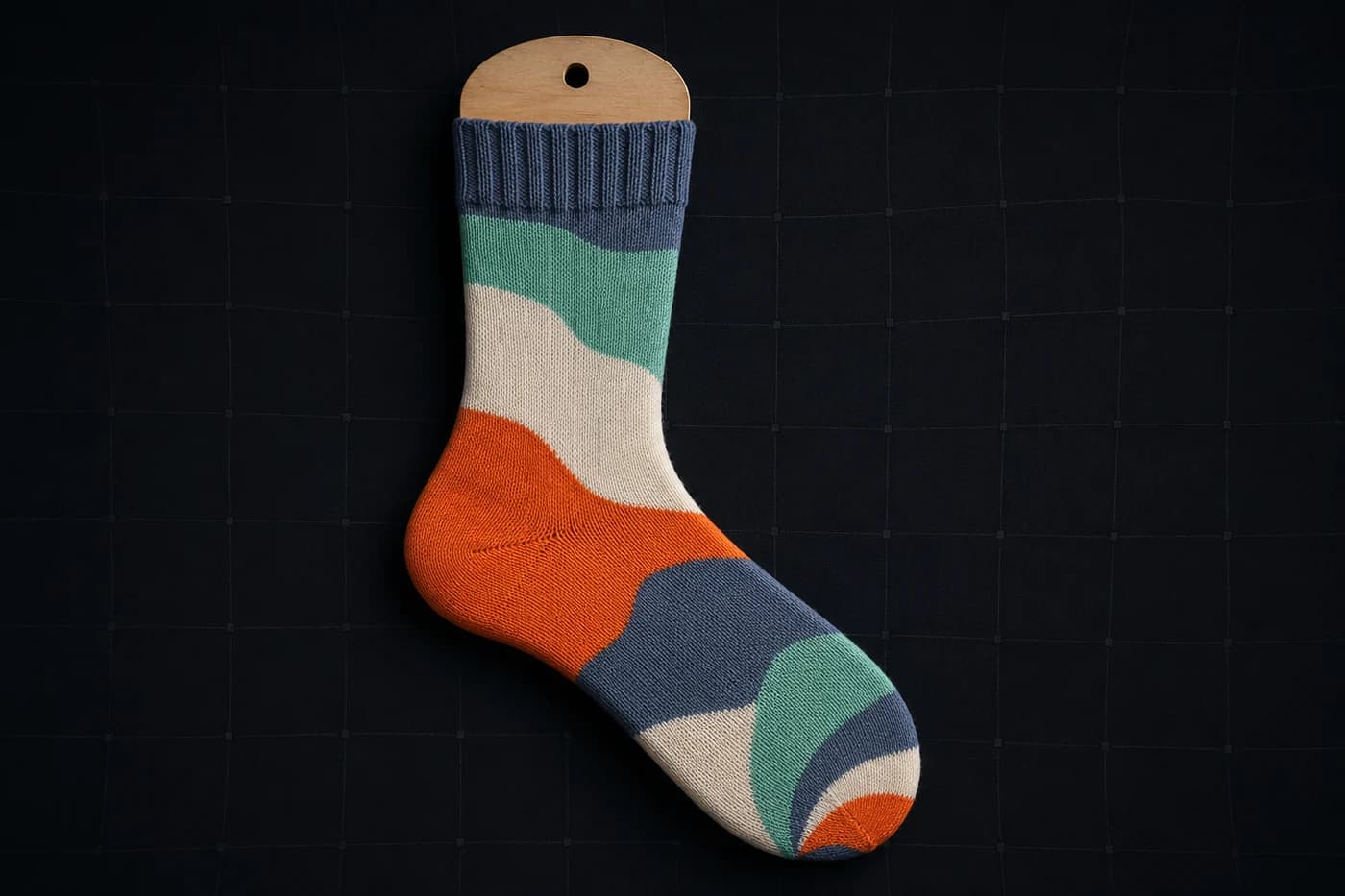
Colour-block wave on a sock form. Wide areas, soft edges, low period. Little for stretch to bite on. Modelled stretch, not a photograph of a worn sock.Modelled stretch — not a photo
Colour-block waveWide areas, soft edges, low period. Little for stretch to bite on.
Flat beside form on a sock form. The same sock, twice. The difference is the whole product. Modelled stretch, not a photograph of a worn sock.Modelled stretch — not a photo
Flat beside formThe same sock, twice. The difference is the whole product.

Limits

What the model cannot know

This list ships with every result, on every plan, and the free-tier watermark is placed so it can never cover it. A stretch factor is a range because reality is a range.

Cones of fine knitting yarn on a dark industrial surface, one orange and one mint among neutrals.
  1. 01Your actual size and the shape of your own foot — the single largest variable, and one we have no way of reading from a flat photograph.
  2. 02Yarn elasticity. The same pattern on a high-elastane sport sock and on a cotton dress sock does not deform by the same amount.
  3. 03Knit density and gauge. A thick cushioned knit resists stretch that a fine-gauge knit gives in to.
  4. 04How the sock was constructed — a hand-linked toe and a seamless one wrap the same hemisphere differently.
  5. 05Wear and laundering. Recovery drops over the life of the sock, and the factors drift with it.

Plans

The heel is free. The other four are the decision.

The free plan maps the heel, because the heel is enough to prove the pattern moves. What tells you what to do about it is seeing all five at once — a motif on the arch side is nearly untouched, the same motif on the heel is gone. Nobody can do a non-uniform mesh deformation in their head.

Free

$0 USD/month

VAT at 20% included

Enough to see whether the heel ruins your pattern.

50 credits per month

Start free

Gauge

Most chosen

$9 USD/month

VAT at 20% included · $86 USD/year

All five zones, which is what actually tells you where the motif should sit.

420 credits per month

Choose Gauge

Knit

$27 USD/month

VAT at 20% included · $259 USD/year

For anyone working across a size run rather than a single sock.

1550 credits per month

Choose Knit

Questions

Including the two we get asked most

Still stuck? Write to support@tatextileshosiery.shop or call +44 161 989 0677.

No, and we will not say otherwise. What you get is a deformation model built from published knit stretch factors for each zone of a sock, computed in your browser and labelled in the image itself as a model rather than a photograph.

Every factor is published as a range because the same sock stretches differently across sizes and foot shapes. Yarn elasticity and knit density change the result again, and we have no way of reading either from a flat shot. The model tells you how the geometry behaves. It does not tell you how one particular sock on one particular size will end up.

Upload one flat shot.
Find out what the product page left out.

No card for the free plan. The heel map, the full factor table and the limits list are free forever.